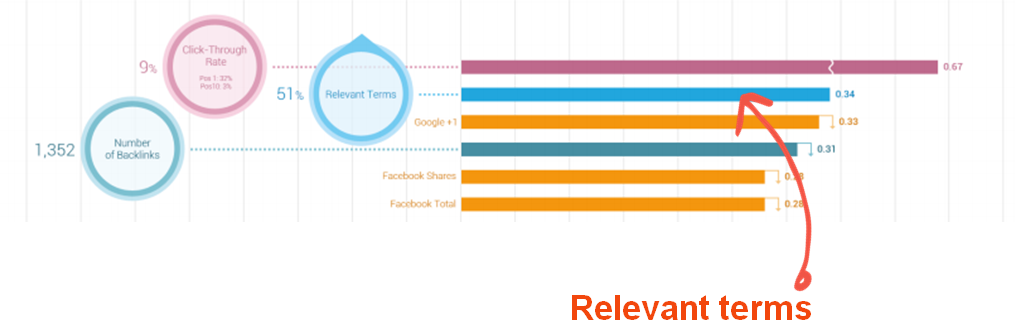
Google updates are perpetually leading news topics in the online marketing community, but as the search giant marks its 13th birthday, it’s getting some mainstream attention. First there was last week’s Senate hearing about whether the company is a monopoly, which led to a Matt Cutts reference in last night’s Colbert Report. It’s becoming clear that consumers want to know how search returns results – and marketers might want to focus on relevancy, accordingly.
On last night’s episode of The Colbert Report, the funnyman and political commenter quoted Matt Cutts from John Batelle’s In Google’s Opinion blog. Cutts is quoted as saying, „Our web search results are protected speech in the First Amendment sense.“ The Colbert reference can be seen in Colbert’s I Think, Therefore I Brand clip.
Of course, the quote was inspired by the company’s U.S. Senate hearing held last week, which was a hot topic among internet enthusiasts. A search for „Google Senate hearing“ returns more than 780 News results and 10 million web results. In a Bloomberg report for the Washington Post, consumers‘ – and the government’s – interest in how rankings work is clear (more specifically, interest in whether Google favors itself, which is a long debated issue). A senator is featured saying that Google „has cooked it so that [it] appears as third“ for a particular query.
Colbert and other mainstream news coverage may call into question the ethics behind some practices at Google search, but this press confirms that Google has pervasive reach when it comes to online search. Other search engines‘ ranking factors aren’t called into question the same way Google’s are – largely because the majority of Americans (64.8 percent) use Google to search.
While marketers have consistently focused on Google SEO over the past 13 years, the company is truly hitting maturity if everyday searchers are wondering how it works. And it seems there may be some growing pains ahead for Google as others attempt to understand search optimization and ranking factors alongside marketers.
Yet, even in the midst of its hearing and the build up to its 13th birthday, the search giant was greatly overshadowed by the social giant (Facebook) last week. While Google made some important Google+ and Google+ search announcements, Google Trends reveal that consumers were searching for information about „facebook changes“ on September 20, „f8“ on September 22 and „facebook charging“ (a false rumor that members would pay fees) as well as „facebook news“ yesterday. Facebook’s updated timeline and other features have overshadowed Google in consumers‘ minds and in search activity; marketers should consider how they can leverage user interest for effective Facebook marketing.